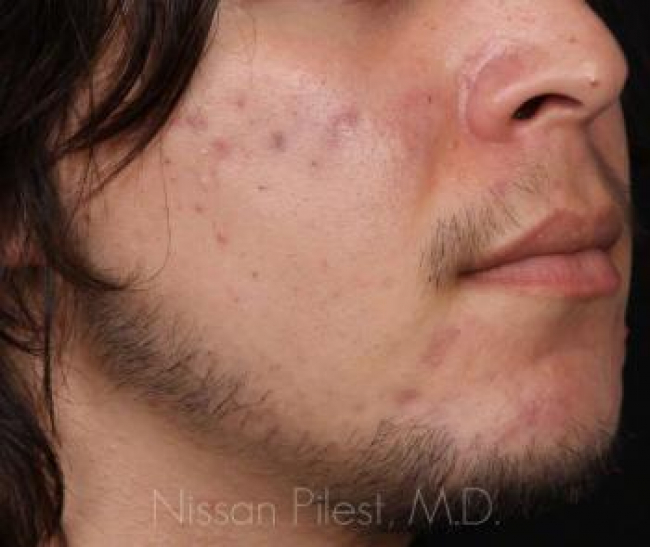
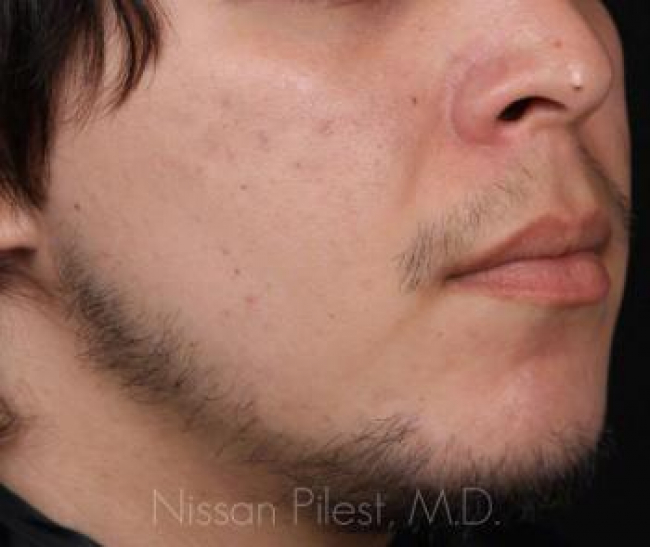
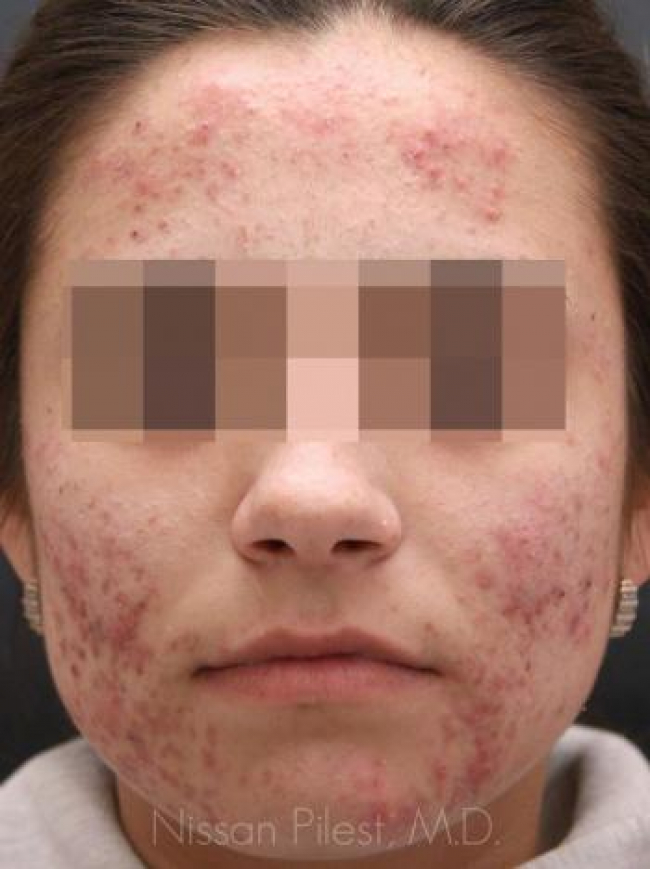
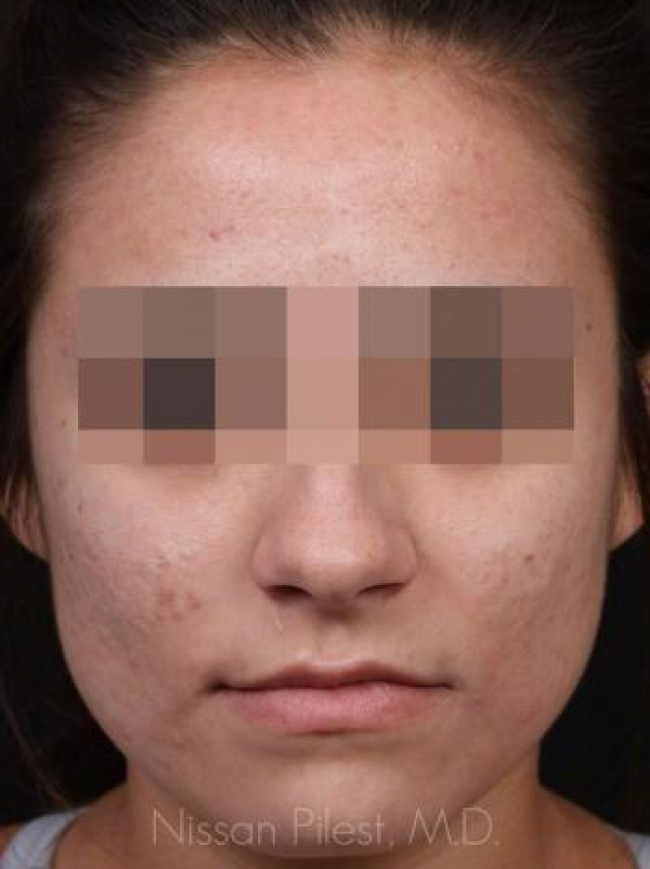
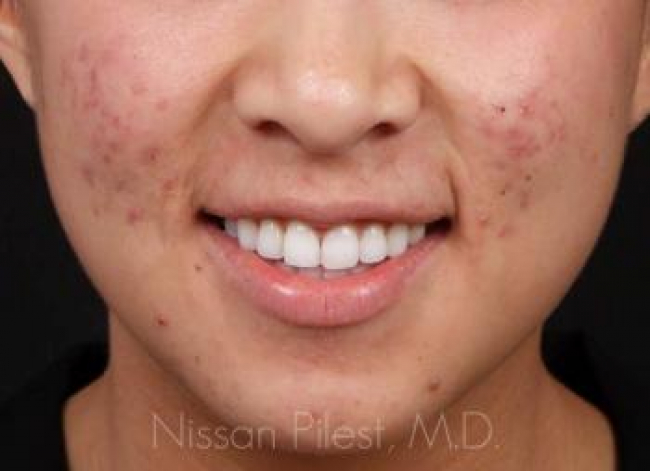
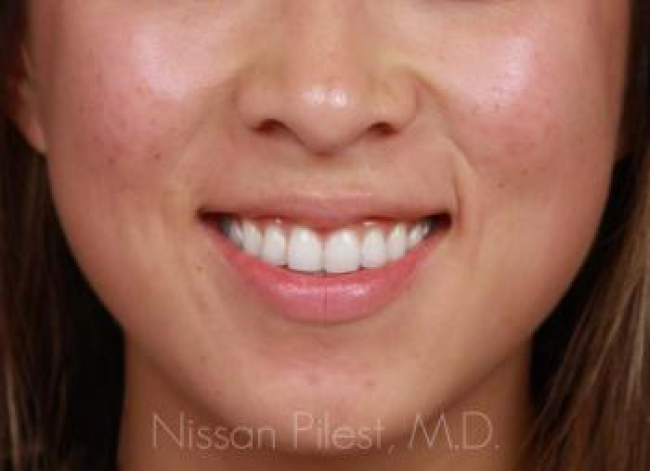
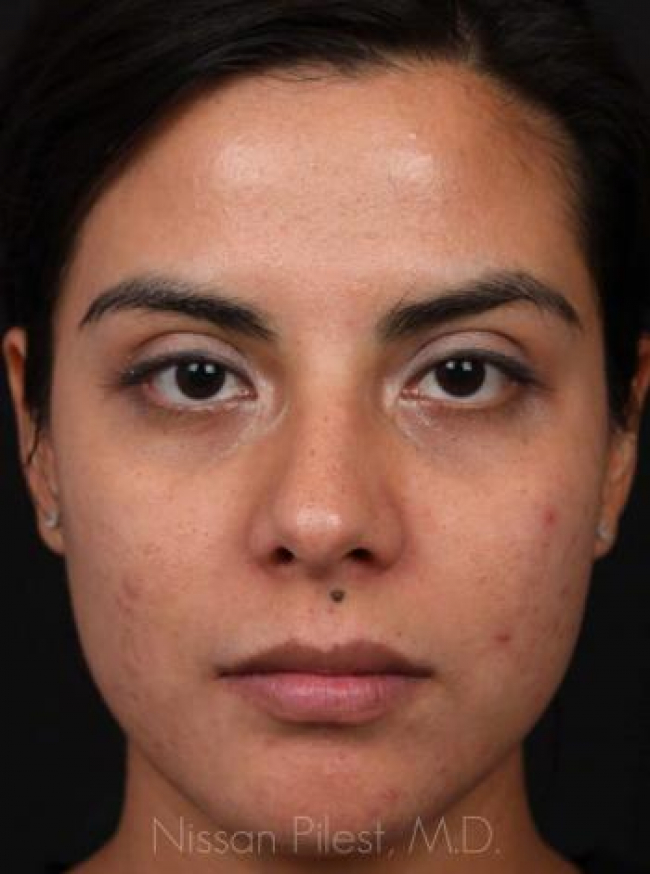
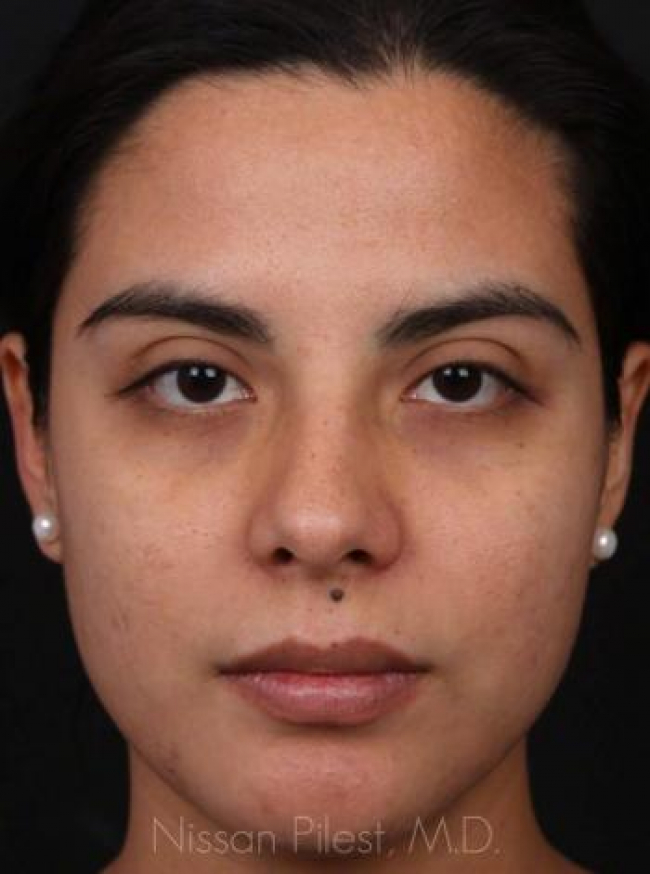
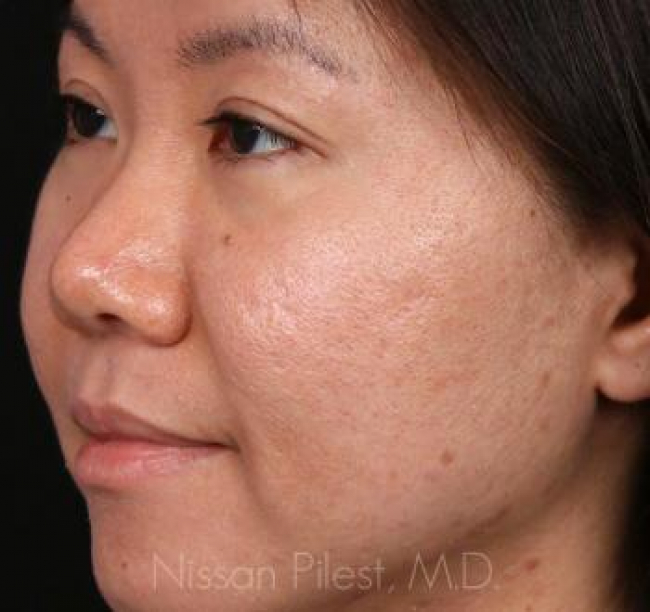
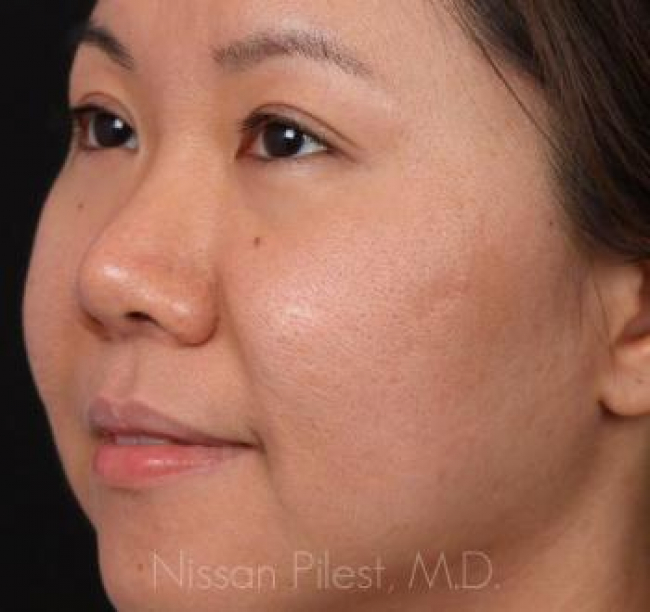
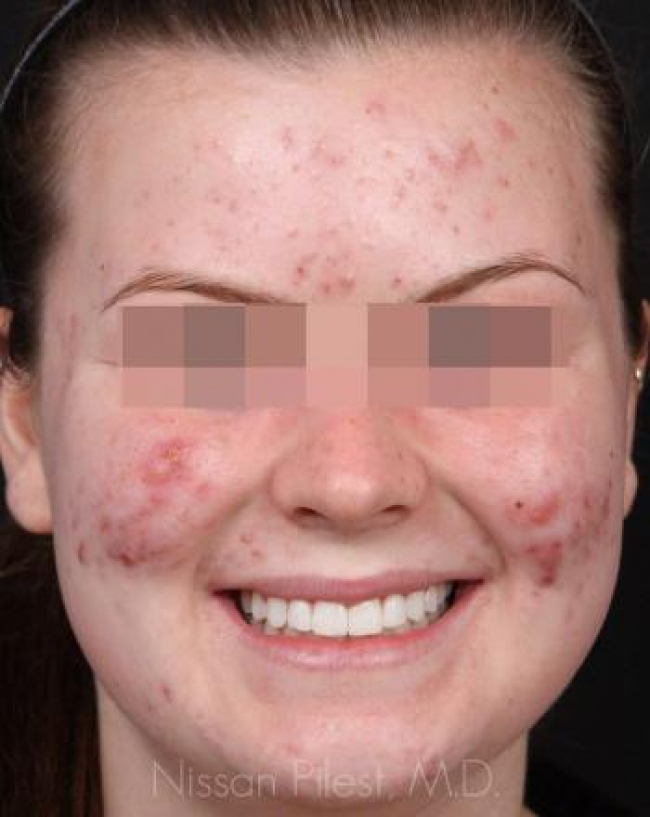
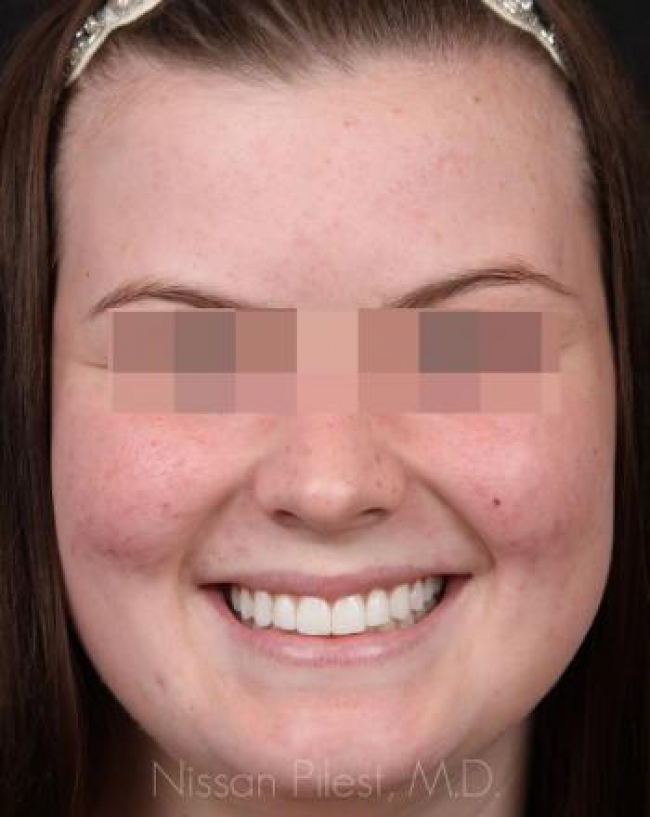
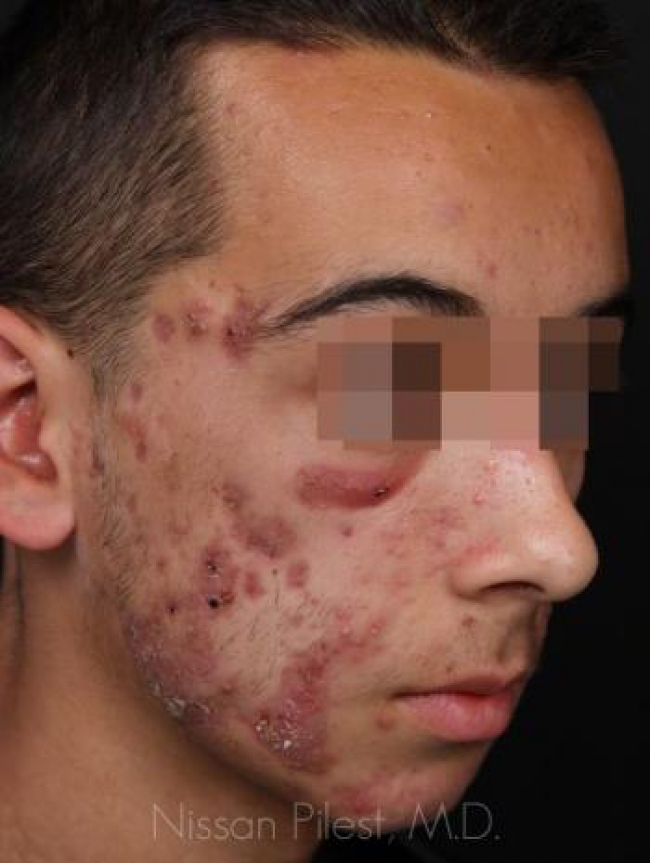
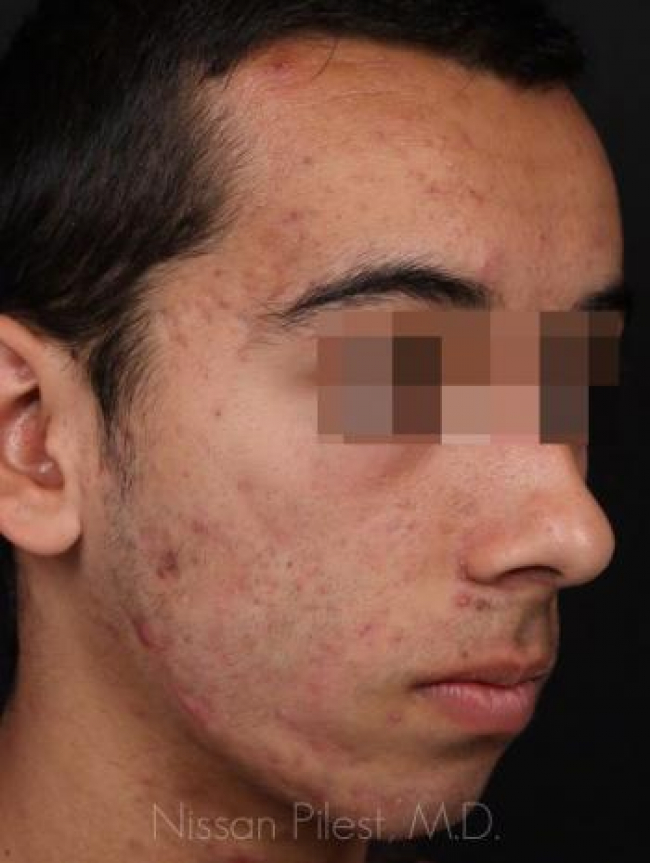
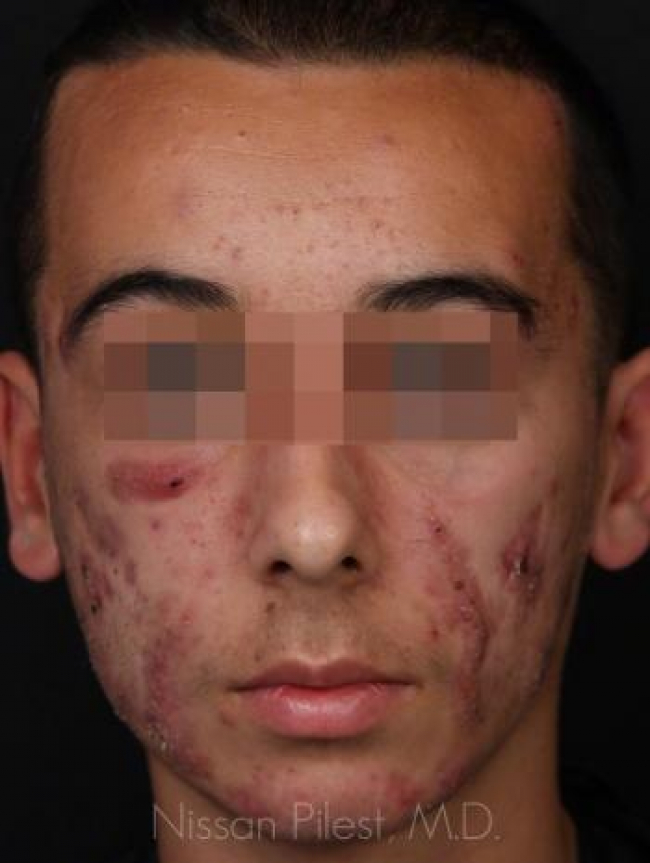
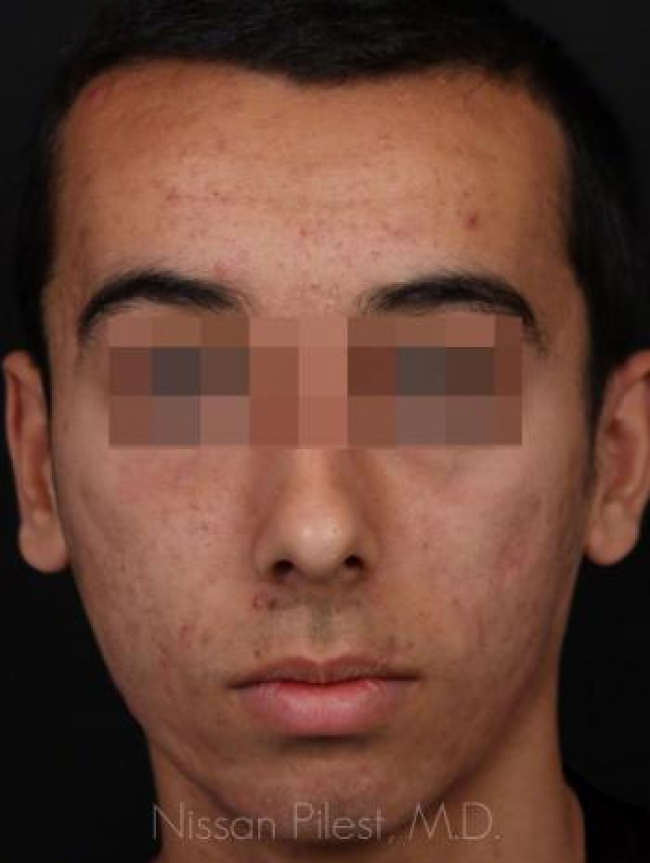
 Swipe To Next
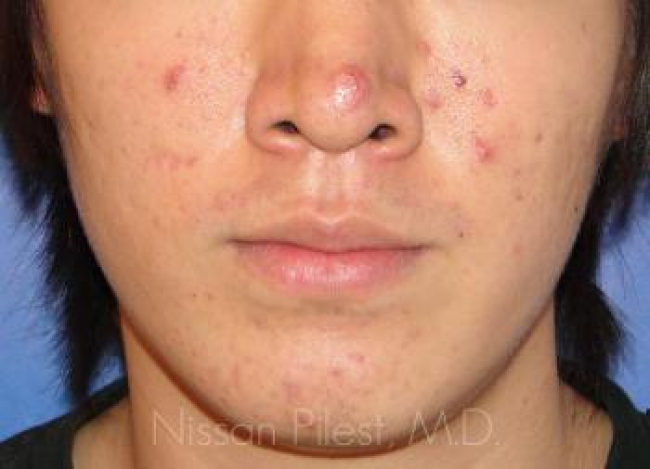
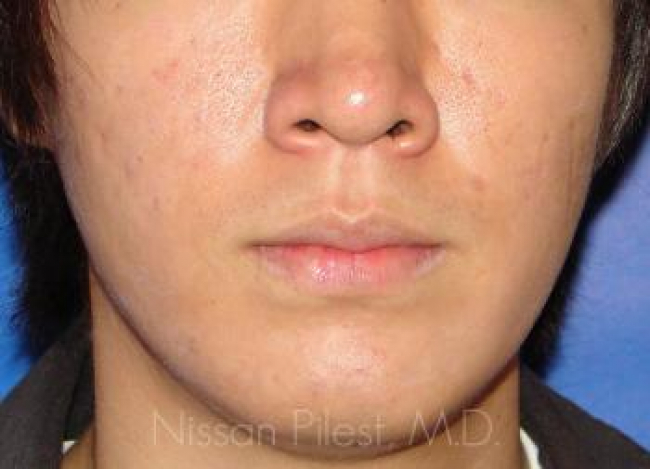
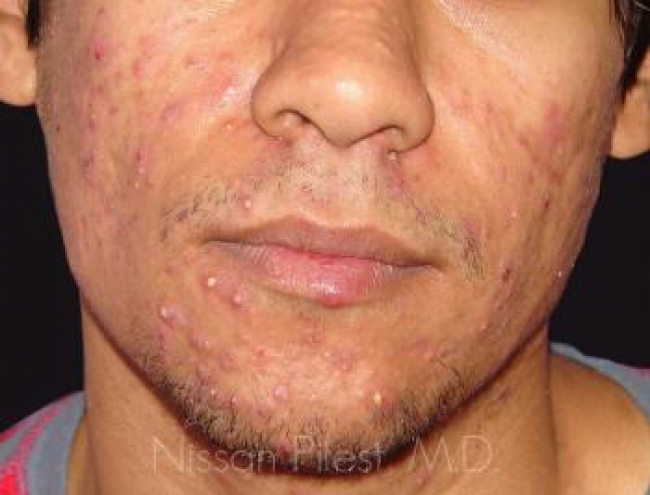
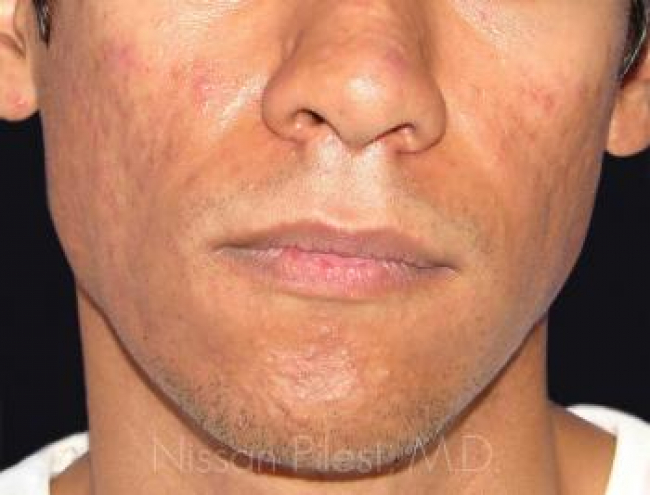
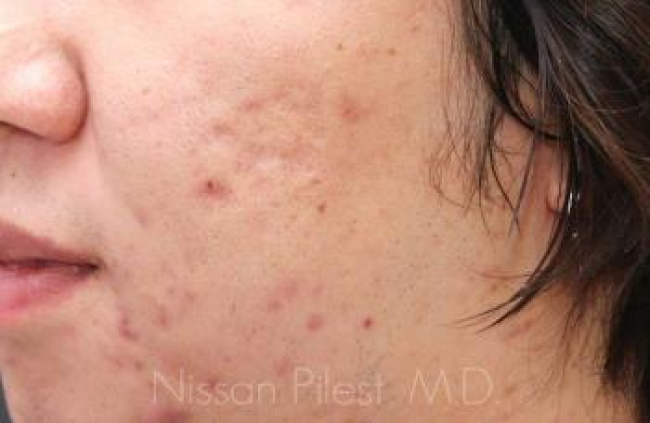
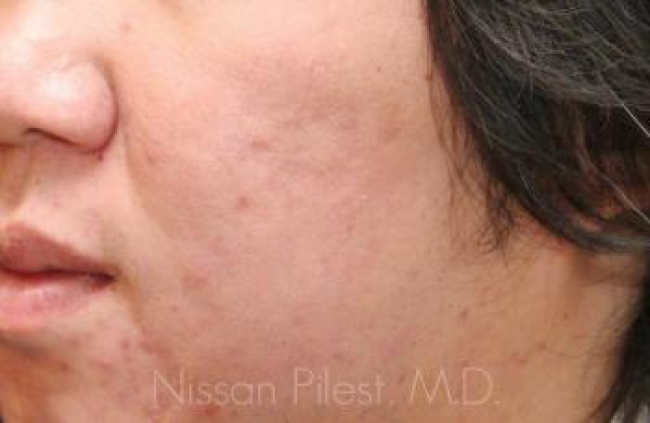
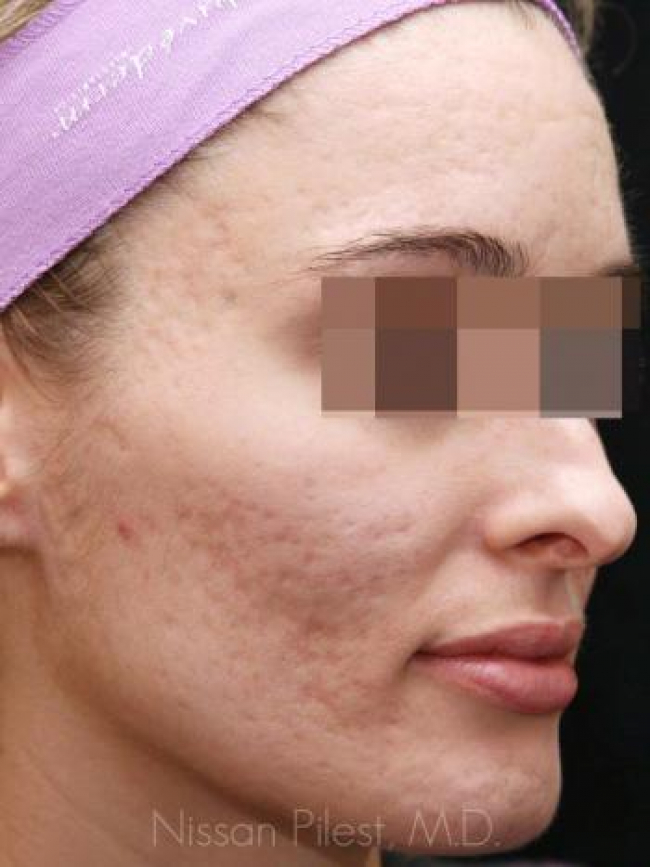
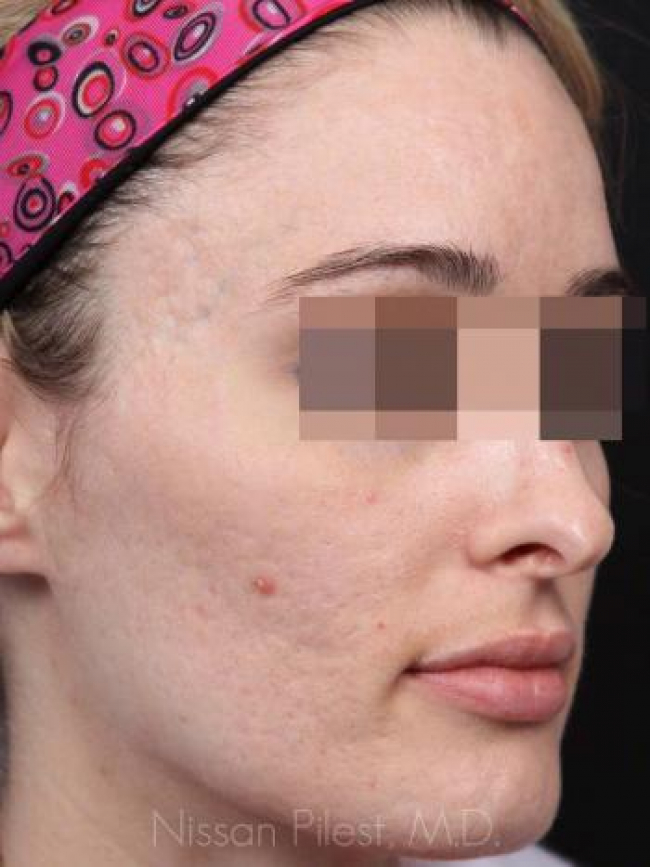
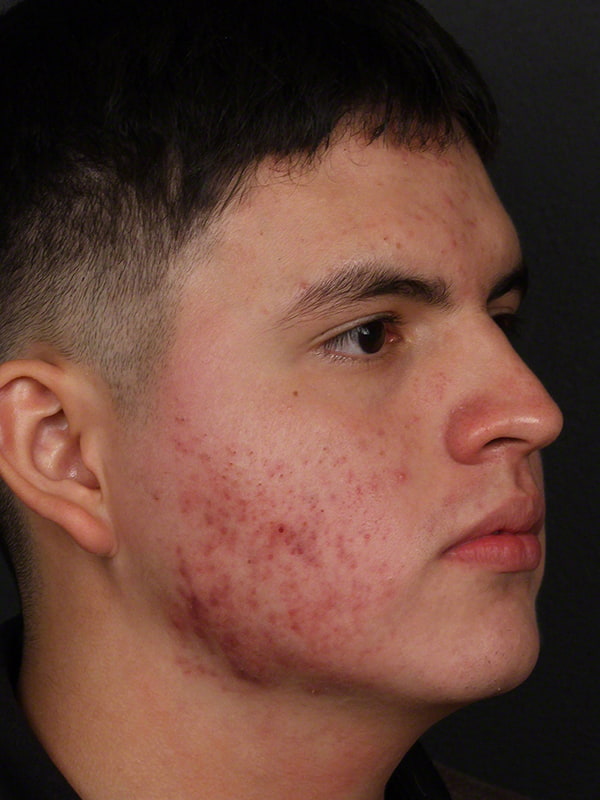
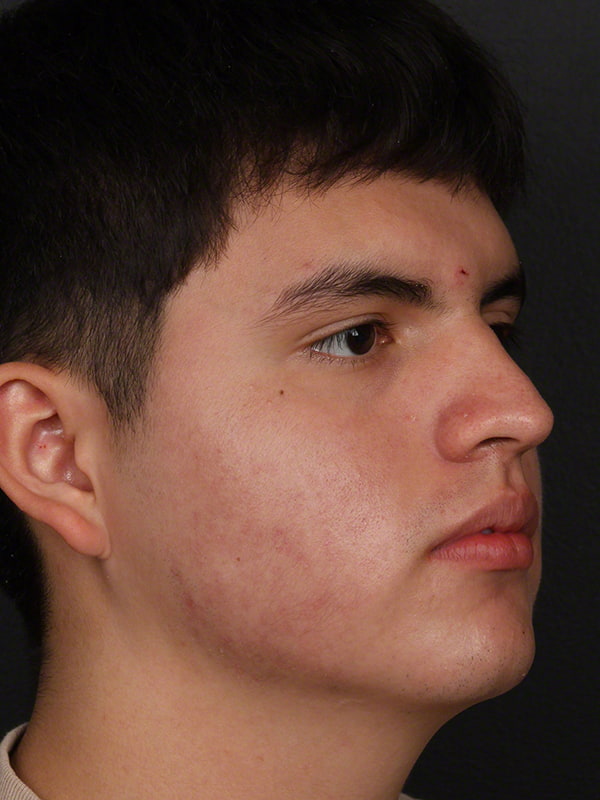
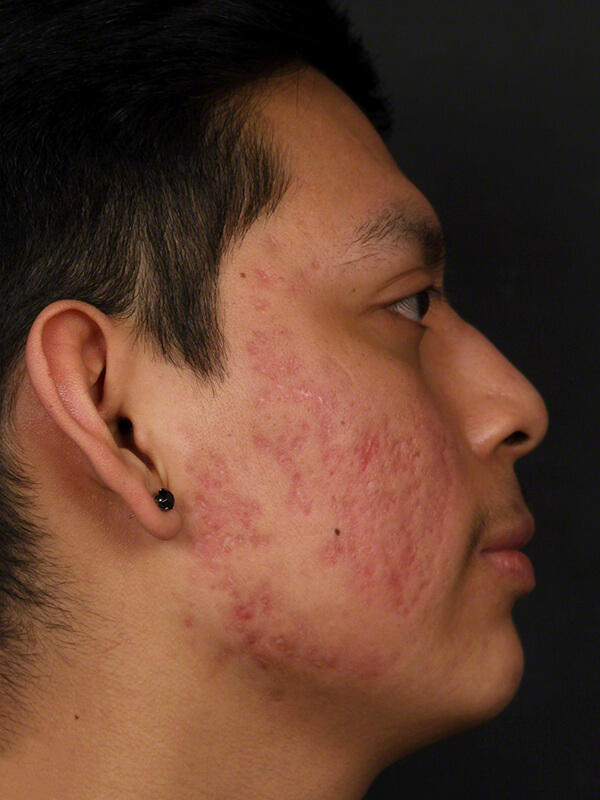
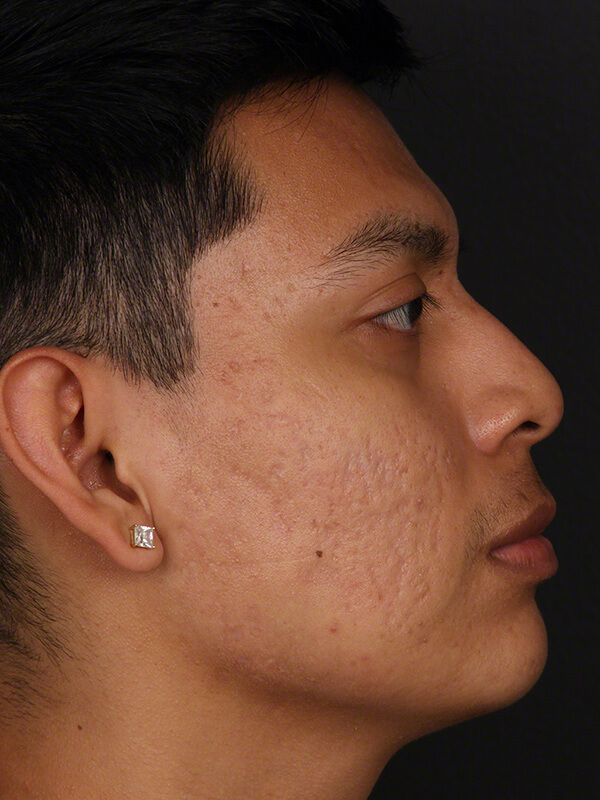
Acne occurs when the pores become plugged. Blackheads, whiteheads, pimples, and deeper lumps (cysts or nodules) occur on the face, neck, chest, back, shoulders, and even the upper arms. Acne is experienced by both teenagers and adults all the way through their 40’s. Untreated acne can leave scars, which can be treated by Dr. Pilest. Although acne can be upsetting and disfiguring, breakouts can also lead to serious and lifelong scarring. At Total Dermatology, we strive to deliver the best acne treatment Orange County has to offer.
Hormones found in both males and females rise during adolescence (puberty) and stimulate and enlarge the oil (sebaceous) glands of the skin. These glands are found in the face, upper back, and chest. Rarely, acne can be due to a hormonal imbalance. The oil glands are connected to a hair-containing canal called a follicle. The sebaceous glands make an oily substance called sebum, which reaches the skin surface by emptying through the skin surface opening of the follicle. The hair follicle opening is sometimes called the pore. The oil (sebum) causes the cells from the follicular lining to shed more rapidly and stick together, forming a plug at the hair follicle opening. Bacteria grow and stimulate inflammation, which causes the wall of the follicle to break. The bacteria spill into the skin causing redness, swelling, and pus.
A more recent and effective acne treatment is Isolaz – a dual-action treatment that uses suction to remove the clogged matter in the pores combined with a special medical light that kills the bacteria in the pore and on the skin surface. For our Irvine acne treatment patients, this method can be used alone or in conjunction with RX and topical therapy to enhance and speed skin clearing.
Dairy products are suspect and you should at least try not drinking milk or eating ice cream for a few weeks’ trial to see how your skin changes. Sunlight ages the skin and can cause skin cancer, therefore, you should not sunburn, “bake in the sun,” or use sunlamps. Choose a sunscreen that is oil-free, such as a gel or light lotion. Sunburns will aggravate your acne. Oddly enough, though, some of our Orange County acne treatment patients say they benefit from swimming in the ocean. But remember to rinse your skin after beach swimming as salt left on the skin for long periods can be irritating.
We recommend Oxygenetix oxygenating makeup or pure mineral makeup such as Colorescience or Jane Iredale. As part of your acne treatment Irvine patients can take advantage of The Oxygentix line which is available at Total Dermatology. Be sure to thoroughly remove your cosmetics every night with an oil-free cleanser and water. A flesh-tinted acne lotion containing Benzoyl Peroxide, Salicylic Acid, or Sulfur can safely hide blemishes. Also, shield your face when applying hairsprays, perfumes/colognes, and gels. Recommended Acne Treatment Products
Isolaz is a very unique procedure which is based on the REMOVAL of the food source of acne breakouts. Bacteria grows within the hair follicle (pore) and is fed by sebum and dead skin cells. Isolaz uses suction which vacuums the pore to remove the debris, thus removing the growth medium. Medical strength light is applied immediately following the suction to kill the exposed bacteria, thus helping to immediately begin the process of reducing acne. No downtime; this acne treatment is tolerable and fast.
The addition of alternate red light treatments increases the effectiveness of acne light treatments by acting as an immediate anti-inflammatory. At Total Dermatology your light therapy may be preceded by Salipeel to unclog pores. Acne patients are discovering a faster, more visible response to their acne clearing. In investigative studies, PhotoTherapeutics noted a mean clearance rate of over 82% at 12 weeks after the final treatment. No downtime and treatments are pain-free.
LightStim is a therapeutic light that treats moderate inflammatory acne quickly, easily, and painlessly. LightStim destroys the most common bacteria that cause acne within the skin. Results may be seen in 4 weeks. This drug-free treatment is one of the safest acne treatments available. With LightStim, there are no side effects. The treatment takes about 45 minutes and should be done twice a week for 4 weeks. During a primary consultation, Dr. Pilest will determine the best treatment plan for you.
LightStim has developed a home acne treatment unit that is helpful in controlling acne. Ask us about the Acne LightStim for home, available in our office for $169 and tax. It’s great for fast treatment of surprise pimples!
We love our patients at Total Dermatology! Read what our satisfied patients have to say about their experiences with Dr. Pilest and our team.


*Individual Results May Vary
is a new procedure used to treat resistant acne as well as older acne scars leaving skin smoother. This process begins with an agent, Levulan, applied to the skin, then activated with specific wavelengths of light. This acne treatment procedure takes 45 minutes. The Levulan agent targets all acne glands, acne rosacea (redness), and benign bumps on the skin. This treatment decreases skin oiliness, and the appearance of pores is minimized. The all-over skin texture improves. Redness and skin peeling may occur during the first two days and you must avoid sun exposure the following day. 3-4 treatments are recommended at 2-3 week intervals to obtain optimal results. Because PDT is a topical procedure, there are no systemic side effects.
is a non-invasive laser treatment that targets acne with absolutely no downtime and a low risk of side effects. A treatment takes between 10 to 30 minutes allowing you to return back to work directly afterward. The number of treatments and intervals of treatments varies depending on the severity of the condition and the extent of the improvement desired. Dr. Pilest uses a small handpiece that touches your skin to deliver the laser light. You will feel a quick spray of coolant onto your skin during each laser pulse.
Results from SmoothBeam may vary depending on anatomical location and the extent of desired results. Several treatments may be required before these results can be seen. Precautions should be taken before and after treatment. One must avoid sun exposure for 4-6 weeks before treatment, and again after treatment. An appointment with Dr. Pilest should be made to discuss the best acne treatment plan for your skin.
Fraxel has become the most effective scar reduction treatment available. Fraxel Repair CO2 Laser is the most aggressive procedure for acne scarring. For shortened treatment options for improving the appearance of your acne scars, Fraxel’s CO2 laser may be your best option. Vbeam has recently been used for the treatment of acne and red acne scars. Bellafill is an FDA approved filler used in lessening the appearance of acne scars.
Acne treatments work by preventing new acne. Treatment takes time. If your acne has not improved after 6 to 8 weeks, you may need a change in your treatment. The treatment Dr. Pilest recommends will vary according to your type of acne. Occasionally, an acne-like rash can be caused by makeup, lotions, or oral medication. It is important to help Dr. Pilest by providing a history of what you are using on your skin or taking internally. Dr. Pilest can then choose the best way to cure your acne. The following are a list of options available at Total Dermatology to assist you in clearing up your acne.
Schedule your consultation with board-certified dermatologist Dr. Nissan Pilest at Total Dermatology in Irvine, CA today by calling (949) 727-3800.
*Individual Results May Vary
When it comes to your skin and your health, it really is all about what’s best for you. Total Dermatology understands this, which is why we offer versatile treatments with experienced and highly trained aesthetic professionals led by Dr. Nissan Pilest. Your Total Dermatology transformation awaits.